Why Regular Playtime is So Important for Dogs
- Dec 4, 2025
- 5 min read
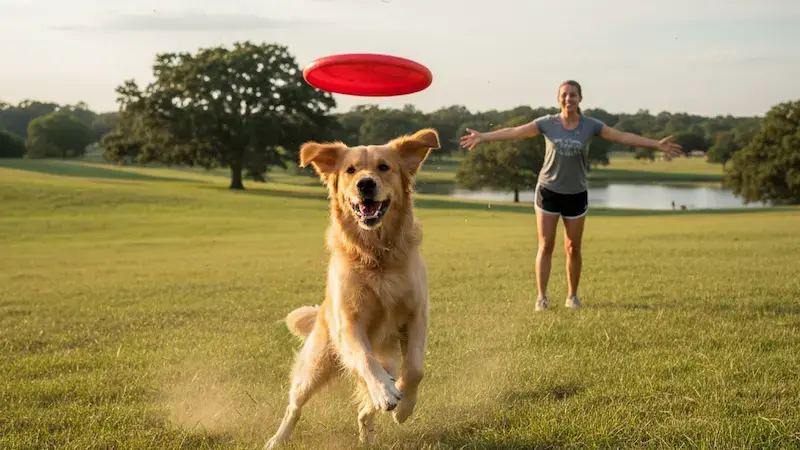
For our canine companions, dog play is far more than a simple pastime; it is a fundamental necessity for a balanced, healthy, and fulfilling life. While we often view a game of fetch as mere entertainment, the act of play is a complex, multi-faceted behavior that serves critical roles in a dog's physical, cognitive, and emotional development. An attentive dog owner understands that providing regular, varied playtime is not a luxury, but a core component of responsible pet ownership that yields a happier, healthier, and more well-behaved dog.
This article will explore the profound benefits of consistent play, categorizing the different types of engagement and offering practical advice to ensure your dog's needs—both physical and mental—are met, regardless of the weather.
Table of Content
The Three Pillars of Dog Play
The various forms of canine play can be broadly categorized into three essential types, each drawing upon a dog's natural instincts and providing unique developmental benefits. A truly enriching life for a dog requires a balanced diet of all three.
1. Social Play: The Foundation of Communication and Bond
Social play, which involves interaction with other dogs or with humans, is arguably the most vital for a dog's emotional intelligence. This type of play, characterized by behaviors such as chasing, wrestling, and the universally recognized "play bow," is the primary way dogs learn to communicate, negotiate boundaries, and practice self-handicapping—the act of intentionally holding back their strength to encourage continued interaction.
The Benefit: Engaging in social play is crucial for developing social competence and emotional regulation. It teaches a dog how to interpret subtle body language, manage their arousal levels, and understand the concept of reciprocity. For the human-dog bond, social play like gentle tug-of-war or hide-and-seek strengthens trust and mutual understanding, transforming the relationship from mere cohabitation into a true partnership.
2. Object Play: Tapping into Natural Drives
Object play involves interaction with toys, balls, or other items, and it is deeply rooted in a dog's ancestral predatory sequence. Activities like retrieving a ball (the "chase" and "capture" phases), or shaking a squeaky toy (the "kill" phase), are safe and constructive outlets for these innate drives. This category also includes independent play, where a dog engages with a puzzle toy or chews on a bone, which fosters self-soothing and focus.
The Benefit: This form of play provides essential mental stimulation and a healthy channel for instinctual expression. It is a powerful tool for building confidence, as successfully completing a task provides a sense of accomplishment. Furthermore, object play is an excellent source of physical exercise, contributing significantly to cardiovascular health and weight management.
3. Cognitive Play: Sharpening the Mind
Often overlooked, cognitive play focuses on mental challenge and problem-solving rather than purely physical exertion. This includes activities like scent work, where a dog uses their nose to locate a hidden item, or learning new tricks and commands. Any game that requires a dog to think, strategize, and use their brain to achieve a goal falls into this category.
The Benefit: Cognitive play is paramount for maintaining neurological health and preventing boredom, which is a common precursor to destructive behaviors. It enhances a dog's adaptability and learning capacity, keeping their minds sharp as they age. By engaging your dog in regular mental exercises, you are not only providing enrichment but also reinforcing their ability to focus and follow direction in various environments.
The Cognitive Imperative: Mental Stimulation as a Behavioral Antidote
While physical exercise addresses the body, mental stimulation nourishes the mind and spirit. Just as humans require intellectual engagement to thrive, our canine friends possess a profound need for cognitive work.
A Powerful Antidote to Behavioral Challenges: One of the most immediate and tangible benefits of mental enrichment is its profound impact on behavior. A bored dog is often a destructive dog. When a dog's mind is under-stimulated, they will naturally seek out their own forms of entertainment, which frequently manifest as undesirable behaviors like excessive barking, digging, or destructive chewing of furniture and household items. Mental exercise serves as a powerful and positive outlet for this pent-up energy. By channeling their innate drive to work and solve problems into appropriate dog activities, we can significantly reduce the likelihood of these destructive tendencies.
Stress Reduction and Confidence Building: Activities that involve focused effort, such as licking or chewing on a food-stuffed toy, can activate the parasympathetic nervous system, which is responsible for the body's "rest and digest" state. This physiological response is key to reducing stress and anxiety, leading to a calmer, more content, and better-adjusted companion. Moreover, the act of successfully completing a mental challenge is a significant confidence booster, which is particularly beneficial for shy or anxious dogs.
Indoor Dog Activities for Inclement Weather
The arrival of inclement weather often presents a unique challenge for dedicated dog owners. When the great outdoors is temporarily inaccessible, the bulk of a dog's energy expenditure and enrichment must be thoughtfully relocated indoors. These rainy days offer a superb opportunity to pivot from purely physical exercise to activities that engage your dog's cognitive abilities and strengthen your bond.
The Art of the Scent Game
A dog's primary sense is its sense of smell, and harnessing this ability is an excellent way to provide profound mental enrichment. We highly recommend introducing "Find It" games, which transform your home into a sophisticated scent-detection course.
To execute this, have your dog sit-stay in one room while you hide a few high-value treats or their favourite toy in another. Start with easy, visible spots and gradually increase the difficulty, moving to under blankets or behind furniture. This activity satisfies their innate hunting drive, builds confidence, and burns significant mental energy.
Mastering New Skills
Rainy days are the perfect time to dedicate focused attention to training. While basic obedience is crucial, consider advancing to more complex, "parlour tricks" that require sustained concentration. Teach your dog a new command such as "Spin," "Weave," or "Tidy Up" (putting toys in a box).
The process of learning, rather than the final trick itself, is what provides the cognitive workout. Keep sessions short—no more than five to ten minutes—to maintain high engagement and success rates. Consistent, positive-reinforcement training reinforces your role as a reliable leader and provides a structured outlet for your dog's energy.
DIY Dog Puzzle Toys and Enrichment
Commercial dog puzzle toys are excellent, but you can easily create engaging enrichment activities using common household items, which we find to be a highly sustainable and cost-effective approach. A simple towel or blanket can be used for a "snuffle mat" alternative. To create this, spread the towel flat, sprinkle kibble or small treats across it, roll it up tightly, and then knot it.
Your dog must then use its nose and paws to unroll and unknot the fabric to access the reward. This slow-feeding method extends mealtime, reduces gulping, and provides a rewarding challenge that occupies them for a considerable duration.
Final Thoughts
Regular playtime is not merely a scheduled activity; it is a holistic investment in your dog's overall quality of life. By consciously integrating social, object, and cognitive play into their daily routine, you are ensuring that your dog is not just physically fit, but also emotionally resilient, mentally sharp, and deeply connected to you.
Embrace these moments of focused interaction as valuable opportunities to deepen the mutual respect and affection you share. The reward for this commitment is a well-adjusted, confident, and happy companion who is a true and fulfilling member of your family. The time you dedicate to play today is the foundation for a lifetime of companionship tomorrow.


