Top 10 Most Common Dog Ownership Mistakes (and Tips on How to Avoid Them)
- Sep 8, 2025
- 7 min read

Bringing a dog into your life is one of the most rewarding experiences you can have. Dogs offer unconditional love, companionship, and endless joy—but being a responsible owner comes with challenges. Even the most devoted pet parents sometimes make mistakes without realizing it. The truth is, small oversights in a dog’s care or training can add up over time, affecting their health, behavior, and overall happiness.
The good news? Most of these mistakes are easy to avoid once you know what to look out for. By being aware of the most common pitfalls and learning how to address them, you can create a happier, healthier life for your four-legged best friend. In this post, we’ll walk through the top 10 mistakes dog owners often make—and more importantly, how to prevent them—so you and your dog can enjoy many great years together.
Table of Content
1. Not Providing Enough Exercise
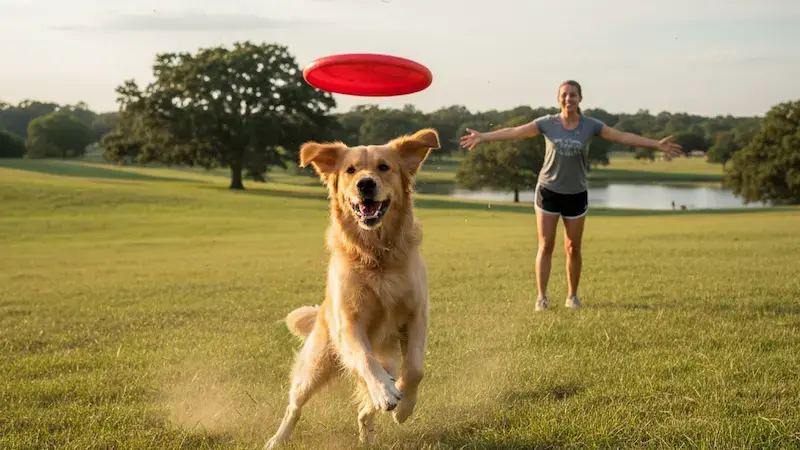
One of the most common dog ownership mistakes is underestimating how much exercise their dog really needs. A quick trip to the backyard or a short walk around the block may seem like enough, but for most dogs—especially active breeds—it barely scratches the surface. Without regular physical activity, dogs often become bored and restless, which usually shows up in unwanted behaviors like chewing on furniture, digging holes, barking excessively, or even gaining unhealthy amounts of weight.
Exercise isn’t just about burning energy; it also keeps your dog’s mind sharp and emotions balanced. A tired dog is a happy dog, and regular activity reduces anxiety, builds confidence, and strengthens the bond between you and your pet. The right amount of exercise depends on your dog’s age, breed, and health, but as a general rule, most dogs benefit from at least 30 minutes to two hours of activity every day. This could be a combination of brisk walks, games of fetch, agility training, or even puzzle toys that challenge their brain.
If your lifestyle is busy, finding creative ways to keep your dog active—like hiring a dog walker, setting up playdates, or investing in interactive toys—can make a world of difference. Meeting your dog’s exercise needs isn’t just about keeping them fit; it’s about giving them a happier, more fulfilling life.
2. Inconsistent Training (One of the Common Dog Ownership Mistakes)
Dogs thrive on structure and routine, but many owners unintentionally send mixed signals when it comes to dog training. Allowing a dog to jump up on you one day but scolding them for the same behavior the next leaves them confused and unsure of what’s expected. This inconsistency often results in stubbornness or disobedience—not because the dog doesn’t want to listen, but because they genuinely don’t know what the rules are.
Consistency is the secret to effective training. Every member of the household needs to follow the same rules and reinforce the same commands. If “no jumping on the couch” is the rule, it has to apply all the time, not just when it’s convenient. Dogs learn through repetition and positive reinforcement, so rewarding the right behavior every time helps them connect the dots faster. Clear, consistent training not only prevents frustration but also strengthens the bond between you and your dog, because they feel secure knowing exactly what you expect.
3. Skipping Socialization
Many owners underestimate the importance of early socialization, especially during puppyhood. Dogs that aren’t exposed to a variety of people, animals, sounds, and environments may grow up fearful or overly reactive in unfamiliar situations. This lack of exposure can lead to bigger problems later, such as aggression toward other dogs, anxiety in crowds, or even difficulty adjusting to something as simple as a car ride.
Socialization is about building your dog’s confidence. Introducing them gradually to new experiences—like walking on different surfaces, meeting friendly dogs, or being around children—helps them learn that the world is not a scary place. Even adult dogs can benefit from slow, positive introductions if they missed out on socialization earlier in life. Taking the time to do this gives your dog the skills they need to handle life calmly and comfortably.
4. Overfeeding and Poor Diet
A chubby dog may look cute, but carrying extra weight is one of the most harmful things to a dog’s long-term health. Unfortunately, overfeeding is one of the most common mistakes owners make. Whether it’s too many treats, extra table scraps, or relying on low-quality food, poor diet often leads to obesity, diabetes, joint pain, and even a shorter lifespan.
The key is balance. Dogs don’t need endless snacks to feel loved—they need proper nutrition and portion control. High-quality dog food suited to your pet’s age, breed, and activity level should make up the bulk of their diet, with treats used sparingly and intentionally, such as during training. Consulting your vet about your dog’s nutritional needs can help prevent future health problems. Feeding responsibly isn’t about denying your dog; it’s about ensuring they stay healthy enough to enjoy life with you for many years to come.
5. Neglecting Dental Care
When most people think about caring for their dogs, dental hygiene isn’t the first thing that comes to mind. Yet poor oral care is one of the leading causes of health issues in dogs. Plaque and tartar buildup can lead to gum disease, painful infections, and tooth loss—and the bacteria from untreated dental problems can even affect vital organs like the heart and kidneys.
The good news is that dental problems are highly preventable. Brushing your dog’s teeth a few times a week (or ideally daily) makes a huge difference. Dental chews, toys designed to reduce plaque, and regular veterinary checkups also help maintain oral health. Just as with people, a healthy mouth equals a healthier body, and paying attention to your dog’s teeth can add years to their life.
6. Relying on Punishment Instead of Positive Reinforcement
When a dog misbehaves, it’s tempting to scold, yell, or even use harsh methods like shock collars. But punishment-based approaches often do more harm than good. Instead of teaching your dog what you want them to do, punishment teaches them to fear you, creating stress and damaging the bond you share. In some cases, it can even make problem behaviors worse, leading to aggression or anxiety.
Positive reinforcement is far more effective and humane. By rewarding good behavior—whether with treats, praise, or play—you encourage your dog to repeat it. Redirecting unwanted behaviors instead of punishing them helps your dog understand the right choice without fear or confusion. Dogs learn best when they feel safe, encouraged, and confident, and positive training methods create lasting results.
7. Ignoring Behavioral Issues Until They Escalate
Many owners brush off small problems like barking, chewing, or mild separation anxiety, hoping the dog will “grow out of it.” Unfortunately, most of the time these issues don’t go away—they get worse. What starts as occasional barking at the door can turn into nonstop noise, and a little chewing can turn into furniture destruction.
Addressing issues early is key. Dogs are quick learners, and consistent redirection or training at the first sign of a problem can prevent it from becoming a habit. If issues persist, working with a professional trainer or behaviorist can make a huge difference. Taking small problems seriously shows that you’re proactive and committed to giving your dog a balanced, stress-free life.
8. Skipping Preventive Veterinary Care
Many owners wait until their dog is visibly sick before visiting the vet, but this reactive approach often leads to bigger problems. Preventive care—regular checkups, vaccinations, and parasite prevention—is essential for catching health issues early and avoiding costly emergencies.
Dogs can’t tell us when something feels off, so routine vet visits act as a safety net. Annual exams, dental checks, bloodwork for older dogs, and year-round flea, tick, and heartworm prevention all go a long way toward protecting your pet. Preventive care may feel like an extra expense, but in reality, it saves money, reduces suffering, and adds years to your dog’s life.
9. Leaving Dogs Alone Too Long
Dogs are naturally social animals, yet many spend most of their day alone while their owners work. Long hours without companionship or stimulation can lead to loneliness, separation anxiety, destructive chewing, or even depression. A bored, isolated dog often looks for ways to entertain themselves, and those ways aren’t usually owner-approved.
While it’s not always possible to be home all day, there are solutions. Hiring a dog walker, enrolling in doggy daycare, arranging playdates, or leaving interactive toys can make time alone more manageable. Even short bursts of quality interaction before and after work—like a walk, play session, or training game—help meet your dog’s emotional needs. Dogs don’t just want your care; they want your presence.
10. Treating Dogs Like Humans (Anthropomorphizing)
Dogs are beloved family members, but they aren’t people—and treating them as if they are can cause harm. Giving them chocolate or onions from the dinner table, dressing them in uncomfortable clothing, or expecting them to understand human reasoning are all ways well-meaning owners put their pets at risk.
Dogs have their own needs, instincts, and communication styles. Respecting those differences is part of responsible ownership. Feed them dog-safe food, give them space to sniff and explore, and allow them to express their natural behaviors like chewing, digging, or running. Loving your dog means appreciating them for what they are—not trying to make them something they’re not.
Final Thoughts
At the end of the day, every dog owner wants the same thing: a happy, healthy pet who feels loved and secure. The mistakes we’ve covered—whether it’s not providing enough exercise, skipping vet visits, or relying too heavily on punishment—usually come from a lack of knowledge, not a lack of love. The fact that you’re reading this means you’re already taking steps to become a better, more mindful dog parent.
By avoiding these common pitfalls and applying practical dog owner tips like consistency in training, regular exercise, preventive vet care, and positive reinforcement, you’ll not only improve your dog’s quality of life but also strengthen the bond you share. Dogs give us their very best every single day; it’s our responsibility to do the same for them.
So the next time you clip on the leash, fill their food bowl, or curl up for a cuddle, remember—you’re not just taking care of a pet, you’re shaping a life filled with trust, health, and joy.